How to Choose the Right Dumpster Size
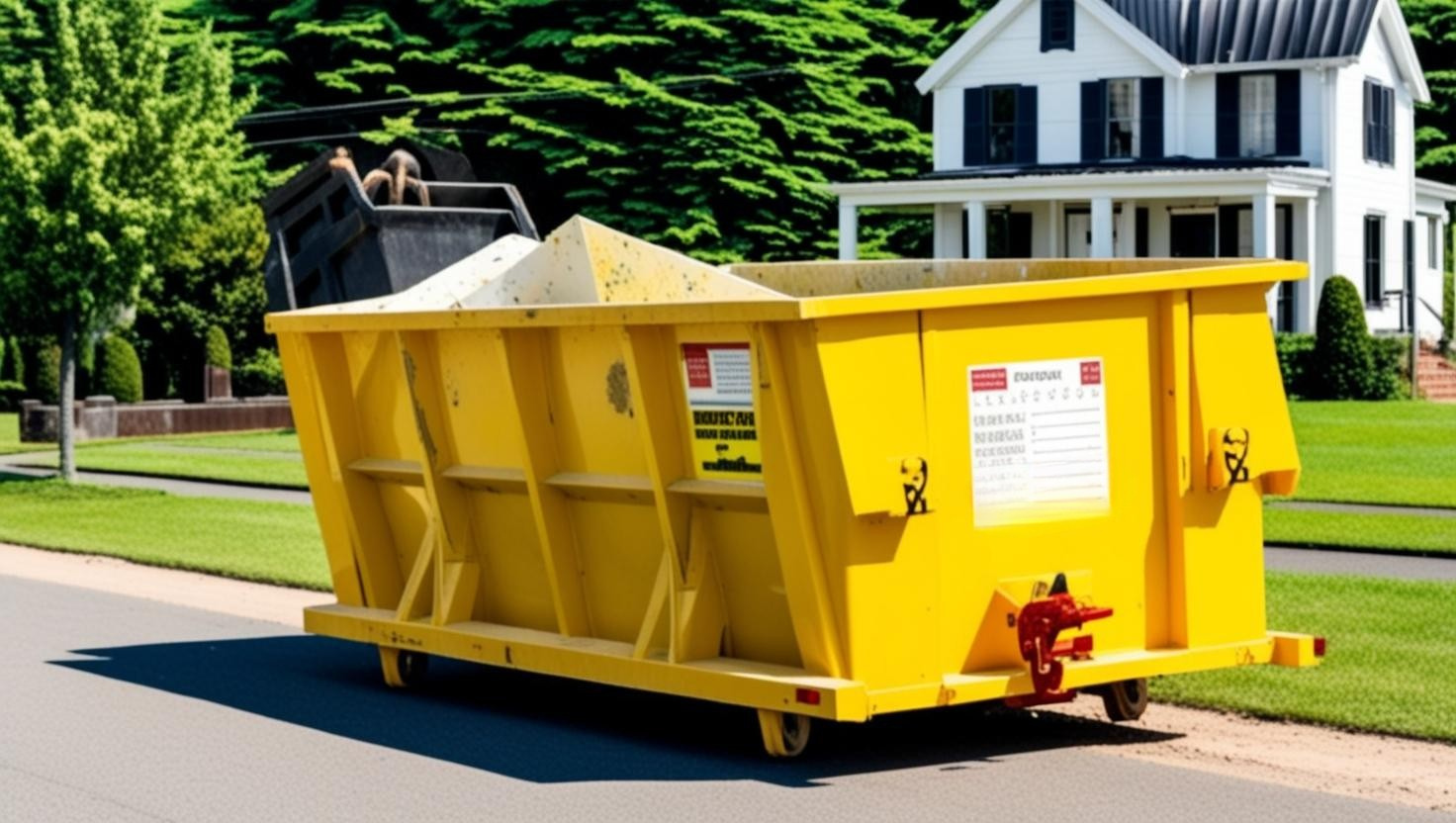
When planning a cleanup, renovation, or construction project, a frequently ignored step is choosing the appropriate dumpster size. Most people concentrate on the main tasks but neglect how waste will be handled, impacting safety and efficiency. A dumpster that is undersized can overflow, requiring extra hauls, while one that is oversized consumes valuable space. Proper waste management starts with the right container choice, ensuring that debris is handled in a smooth and organized way.
At Junk Bee Gone, we recognize the importance of this decision for your project’s success. The dumpster is not only a container but also a key tool in maintaining cleanliness, order, and safety on the site. Understanding how to measure waste requirements helps you prevent setbacks and maintain workflow. Choosing correctly minimizes clutter and enhances safety for all participants. A thoughtful approach makes dumpster selection a smart decision instead of a gamble.
Evaluating the Scope of Your Project
To begin selecting a dumpster, it is important to evaluate the full scope of the job. Jobs may range from minor cleanouts to major construction work. Debris levels depend on the task and the materials it generates. For example, furniture, household items, roofing, or yard waste each produces different amounts of debris. Looking at the complete range of waste makes it easier to choose a container that fits properly.
The length of your project also matters, because extended work produces additional debris. In projects with stages such as teardown and rebuilding, debris volume grows differently at each step. These considerations ensure the dumpster will handle the total load smoothly. Such planning helps avoid slowdowns and keeps additional pickups to a minimum. Ultimately, reviewing scope and duration ensures better alignment between waste demands and the dumpster you select.
The Role of Debris Type in Dumpster Decisions
Different waste types require different planning, and knowing what materials you will dispose of affects container choice. Weighty items such as concrete and soil differ greatly from lighter materials like furniture or paper. Bulk and density determine the space required regardless of overall weight. Incorrect assumptions cause strain on the container and poor space usage. Proper recognition of material type ensures your container is neither overfilled nor underutilized.
By identifying the main categories of waste before your project begins, you can match the dumpster to your requirements more accurately. Decide whether the job involves mostly renovation debris, yard waste, or household clutter. Every material type comes with distinct factors that affect the best container. This awareness allows for better planning and helps maximize the value of your rental, ensuring that no space is wasted while also avoiding unnecessary strain on the container. Preparedness helps align dumpster capacity with the materials disposed.
Considering Space and Placement
Where the dumpster will be placed is another important factor in making the right choice. The container’s location must allow easy service access and convenience for workers. If your property or job site has limited space, a container that is too large could cause logistical challenges. On the other hand, having a dumpster that is too small may require additional moves or adjustments that can slow down your progress. Efficiency relies on balancing location with the container dimensions.
The site’s overall layout, such as driveways or open spots, should influence the choice. Measuring available space before making a selection prevents surprises during delivery. Accessibility is also crucial, as the dumpster should be positioned so that it does not block important pathways or create safety risks. Smart placement means the container remains practical and efficient to use from start to finish. Planning container space wisely allows for efficient and safe project operations.
Estimating Volume Accurately
One of the most vital steps in choosing a dumpster is properly estimating the waste your project will produce. It is common for people to misjudge debris buildup, often leading to overflow and added hassle. A systematic approach works best, beginning with an inventory of items or materials you plan to dispose of. Dividing the job into phases and estimating debris at every stage gives you a clearer understanding. Proper planning allows you to select a container capable of managing the entire project’s demands.
Visualizing the volume of debris in truckloads can also help you translate that into dumpster needs. Big items such as furniture or large boxes often take up space faster than people assume. It is wiser to overestimate a bit, ensuring room for unplanned debris. By thoroughly reviewing your needs, you will choose a dumpster that works smoothly without setbacks. This preparation keeps the process manageable and avoids the stress of running out of capacity midway through.
Why the Proper Dumpster Size Matters
Selecting the correct dumpster size provides several advantages beyond dumpsters near me simple waste collection. When a dumpster fits correctly, clutter is reduced, supporting both safety and productivity. Staff waste less energy handling trash and more on completing their duties. This organization contributes to a more professional workflow, where tools and workspaces remain clear of unnecessary obstructions. In the end, having the correct dumpster leads to smoother work and reduced risks.
Another benefit is the reduction of unnecessary hauling or extra pickups. With a container that accommodates everything, progress flows steadily from beginning to end. It also supports better cost-effectiveness, since multiple hauls can be avoided. Most importantly, having the right dumpster size prevents frustration and allows your project to move forward without interruptions caused by waste management issues. This peace of mind enhances productivity and confidence throughout the project.
Getting Expert Help With Dumpster Selection
For uncertain situations, seeking professional help guarantees better results. Professionals analyze your project and give advice rooted in extensive experience with various wastes. Reliable providers align dumpster size with job requirements, helping you avoid errors. Such advice helps those new to rentals or dealing with debris that is less typical. Guidance from specialists makes selection easier and more accurate.
Junk Bee Gone has guided many clients in choosing the right container for their requirements. Our team listens carefully to your project details, taking into account both volume and material type. We then suggest an option that balances convenience and practicality, helping you focus on your project instead of worrying about waste. With our support, you gain confidence that your selection is supported by expertise. Relying on professionals ensures dependable and hassle-free disposal.
Ensuring the Right Dumpster Decision
Choosing the right dumpster size is an essential part of successful waste management for any project. By considering the scope of your work, the type of debris, available space, and the estimated volume, you can make a more informed decision. These steps help ensure efficiency, safety, and organization from beginning to end. Thoughtful selection prevents avoidable obstacles and keeps the job running smoothly. Smart sizing decisions promote dependable and confident work flow.
At Junk Bee Gone, we are dedicated to helping clients make smart decisions about their waste disposal needs. Our expertise allows us to guide you toward a dumpster that suits your project perfectly. From household jobs to renovation and construction, our solutions keep waste handling reliable. The correct dumpster lets you dedicate full attention to achieving project completion. We aim to deliver reliable service that makes waste handling easier and more effective.